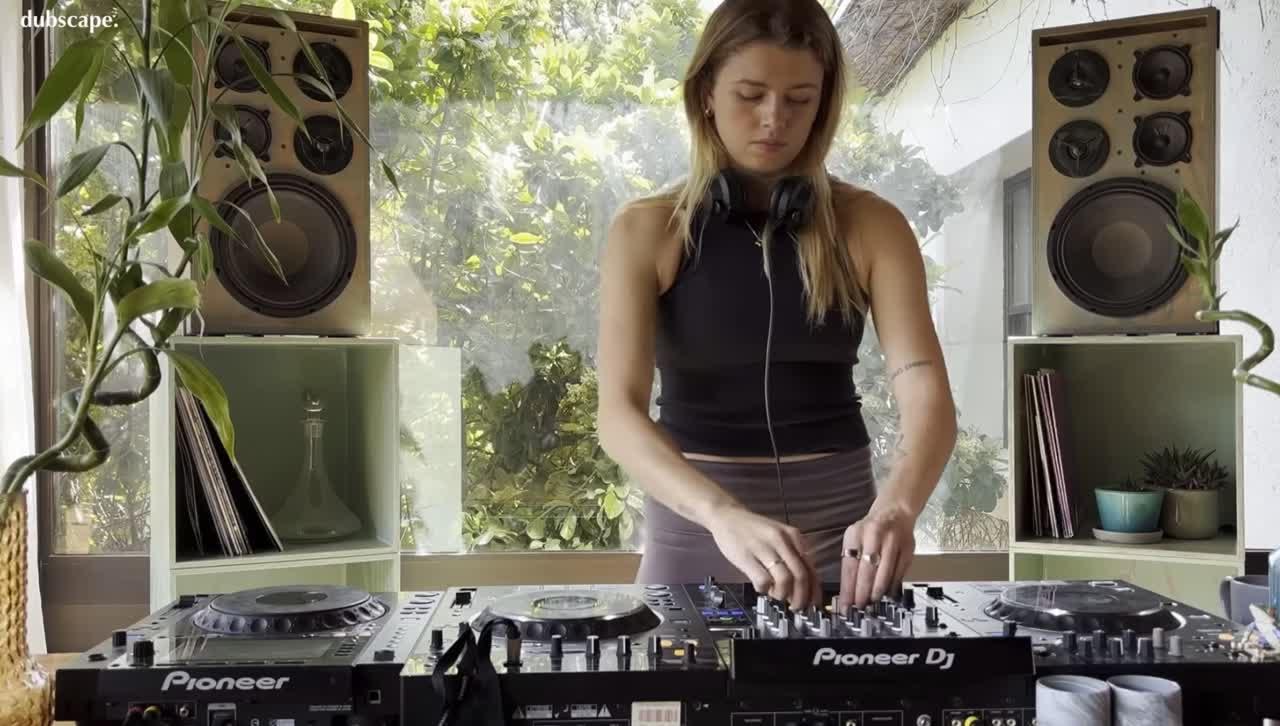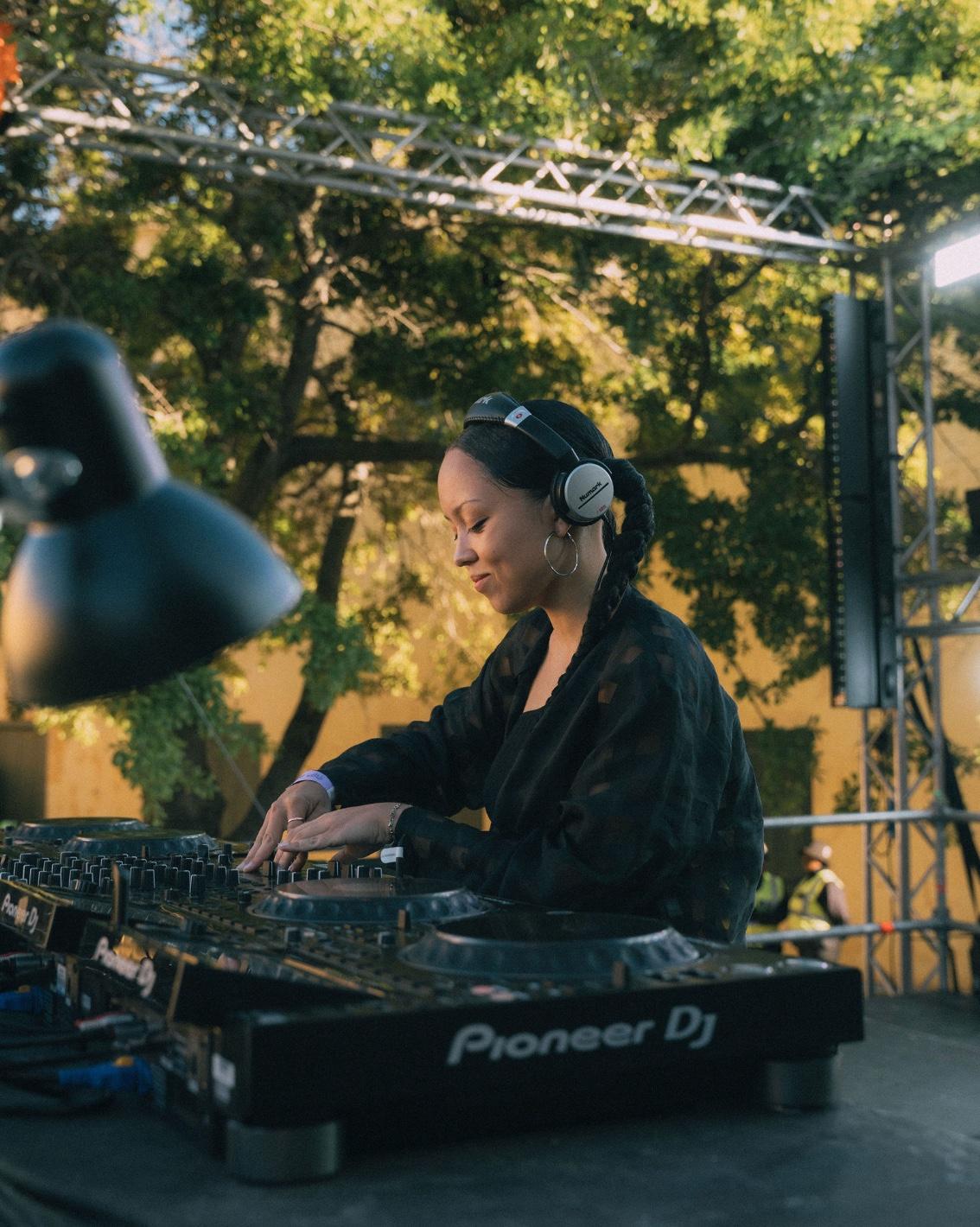
We’ve all had the experience of arriving on a dance floor mid-evening, drink in hand, and feeling the room already moving. The floor is warm, the collective energy in the space is raring and ready for the DJ to put us firmly in gear. Something is clearly already working. The natural assumption is that this is simply what the night is. That it arrived this way. Obviously, it did not. Somewhere earlier in the evening, the opening DJ showed up to an empty or near-empty floor and put on the first track. Nobody cheers. Nobody moves closer. The night has not started yet, not really - at least not in the way most people would recognise it. But something has begun. Slowly, patiently, without any of the visible rewards that come with a packed dance floor and a crowd already ready to go, a decision has been made. A direction has been chosen. And, given some time, almost inevitably, the energy will start to shift.
What an Opening Set Actually Is
It sounds simple enough. You play first. You warm the room up. The headliner arrives and takes over. But that description strips away almost everything that makes the role genuinely difficult. An opener is not simply playing at lower volume or BPM, or playing tracks they think will blend into the direction the headliners will move towards.
They are helping everyone relax and get settled into the night. The people who arrive early are not the same people who arrive during the night’s peak. They are often more cautious, sober, still carrying the weight of whatever their day was. It takes some time for them to fully arrive. The opening DJ’s job is to create the conditions for that permission, without forcing it, without rushing it, and without drawing so much attention to themselves that the act of warming up becomes the act of performing.
Reading a Room That Isn’t Ready Yet
The most common mistake a less experienced opener makes is playing to the room they wish they had rather than the room that is actually in front of them. They arrive with an idea of what the night should feel like and start playing toward that vision, regardless of whether the limited number of people scattered across the dance floor are anywhere close to ready for it.
The result is a kind of friction. The music is asking more of the audience than the audience is currently able to give. People feel slightly uncomfortable without quite knowing why, and rather than being drawn toward the dance floor, they drift to the bar, or the edges, or outside.
A skilled opener does the opposite. They meet the room where it is, and then move it, slowly, almost imperceptibly, somewhere else. They are not pushing. They are inviting. The selection might start somewhere cooler, slower, more atmospheric, and over the course of some time, begin introducing energy in a way that feels completely natural. By the time the next artist steps up, the room has already been transformed. The floor is warm. The crowd is ready.
Why This Skill Is So Difficult to Develop
Part of what makes opening sets so hard to master is that the feedback is delayed and indirect. You rarely know in the moment whether you are reading the room correctly. You are making constant micro-decisions: this track or that one, now or in five more minutes, more energy or hold back. Each of these decisions gets made without the immediate, obvious response you might get from a peak-time crowd.
Peak-time DJing has its own difficulty, but it also has something the opening set does not: a room that is already with you. When a dance floor is full and moving, momentum does the heavy lifting. One person dancing makes it easier for the next person to start. A packed floor gives people permission to let go in a way that an empty one simply does not. The social dynamics of a room in full swing are working in the DJ’s favour - an advantage that is easy to underestimate until you have stood behind the decks without it.
Getting the first person onto an empty dance floor is often one of the hardest things in DJing. Getting the second is slightly easier. By the time there are ten people moving, something has shifted, but arriving at that point requires patience, conviction, and a willingness to keep building even when the room is not yet giving much back.
This means that opening sets often demand a higher level of musical knowledge and genuine listening than many headline slots. You need to understand not just what tracks work, but why they work, and at what point in a night’s arc they work. You need a broad palette, music that functions below the threshold of full attention, that creates an atmosphere without demanding engagement, that rewards the people who are listening closely without alienating those who are still settling in.
That kind of depth takes time to develop. It takes playing a lot of opening sets, many of them in front of very few people, and taking them seriously enough to learn from each one.
The Question of Ego
There is also something else at play, and it is worth naming honestly. The opening set asks a DJ to subordinate their own performance to the arc of the night. It asks them to play in service of something larger than their individual moment.
For many DJs, particularly those who are developing their careers and hungry for recognition, this can be genuinely difficult. The temptation to make the opening set about yourself - to play the records you love most, to push the energy before the room is ready, to try and show the headline act and the promoter what you can really do - is real and understandable.
But it is also exactly the wrong instinct. The DJs who are often most respected by promoters, by other artists, and by the people who pay close attention to a night’s quality, understand that restraint is its own form of skill. That knowing what not to play, and when not to play it, is as important as any selections you make.
There is a generosity in a great opening set. A willingness to do the work that often goes unnoticed, and unthanked, to build something that benefits everyone in the room, including the artists who follow you, without needing that contribution to be loudly acknowledged.
The DJs who understand how to work opening sets understand something unique about music and about people. That understanding, when the time comes to play later in the night, is often what can separate a DJ who can perform from a DJ who can truly move people.
Images by Diary of Ross.